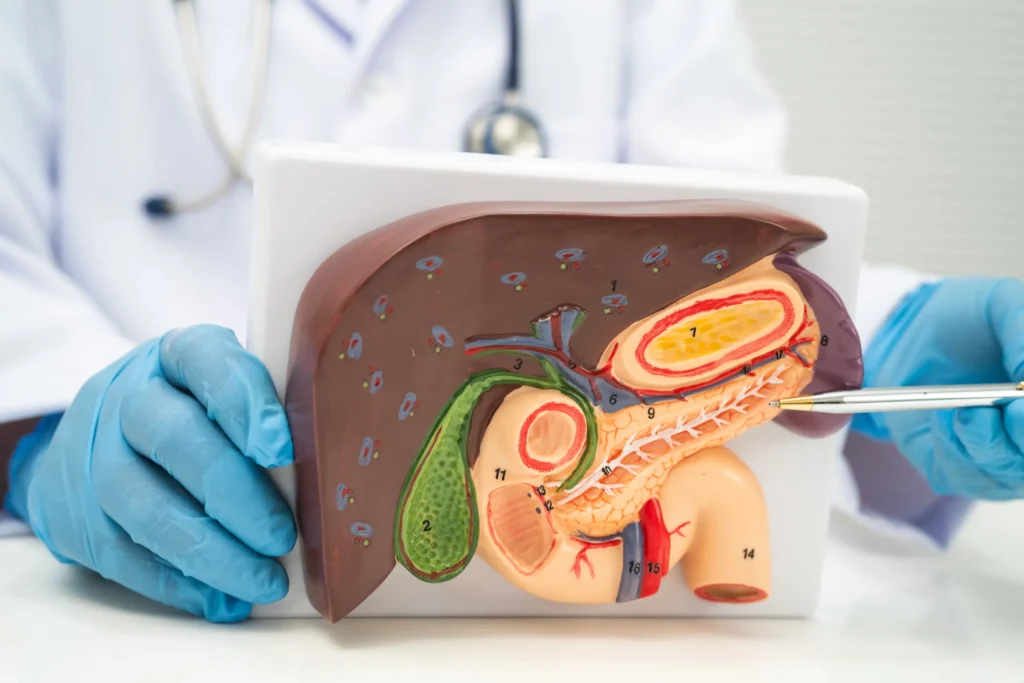
Fatty liver disease, also known as hepatic steatosis, is one of the most common liver conditions in modern times. It is characterized by the accumulation of excessive fat within liver cells. In the early stages, it usually does not cause symptoms, and for this reason many patients discover it incidentally during an abdominal ultrasound examination or routine blood tests.
Steatotic Liver Disease (SLD) includes different forms of hepatic steatosis, with the two main categories being Metabolic dysfunction-associated steatotic liver disease (MASLD) and Alcohol-associated steatotic liver disease (ASLD).
Although fatty liver is often considered a mild and reversible condition, in a proportion of patients it may progress to steatohepatitis, liver fibrosis and, in advanced stages, cirrhosis or an increased risk of hepatocellular carcinoma. Therefore, early diagnosis and appropriate follow-up are of great importance.
What are the causes of fatty liver disease?
MASLD is the most common form of steatotic liver disease and is mainly associated with metabolic factors. The most important risk factors include obesity, particularly increased waist circumference, type 2 diabetes mellitus, insulin resistance, elevated cholesterol and triglyceride levels, as well as arterial hypertension.
A sedentary lifestyle, excessive calorie intake, frequent consumption of processed foods, sweets and sugar-sweetened beverages are important factors contributing to the development and progression of the disease.
ASLD is associated with excessive and chronic alcohol consumption. It may initially present as simple fatty infiltration of the liver; however, in some patients it can progress to alcohol-associated steatohepatitis, liver fibrosis, cirrhosis and an increased risk of hepatocellular carcinoma. The risk depends on the amount and duration of alcohol consumption, as well as the presence of additional factors such as obesity and metabolic disorders.
In many patients, more than one risk factor may coexist, such as metabolic syndrome combined with alcohol consumption, which can accelerate the progression of liver damage.
Diet and Lifestyle Modification
Lifestyle modification is the cornerstone of fatty liver disease management. Gradual weight loss has a proven beneficial effect, as even a reduction of 7–10% of body weight can lead to a significant decrease in liver fat and improvement of liver inflammation.
The Mediterranean diet is considered the most appropriate dietary approach. It includes increased consumption of vegetables, fruits, legumes, whole grains, fish, olive oil and nuts. In contrast, the intake of saturated fats, fried foods, processed foods, sweets, sugar-sweetened beverages and excessive alcohol consumption should be limited.
Regular physical activity is also a fundamental component of treatment. Aerobic exercise combined with resistance training is recommended, as exercise can improve metabolism and reduce liver fat even before significant weight loss is achieved.
Diagnosis and Monitoring
The diagnosis of fatty liver disease is usually made by abdominal ultrasound, while blood tests help assess liver function and identify associated metabolic risk factors.
In patients at increased risk of disease progression, more specialized tests may be required, such as liver elastography (FibroScan) or specific fibrosis assessment scores, in order to determine the severity of liver damage and the need for closer monitoring.
Treatment
The mainstay of fatty liver disease treatment remains lifestyle modification. However, in some patients, pharmacological treatment may be required, mainly to manage associated metabolic disorders.
Optimal control of diabetes mellitus, treatment of dyslipidemia and management of obesity are important steps in improving liver health. In patients with obesity or type 2 diabetes mellitus, certain modern therapies that promote weight loss and improve insulin resistance may have beneficial effects on reducing liver fat.
The decision to initiate any pharmacological therapy should be individualized according to the degree of steatosis, the presence of fibrosis, associated medical conditions and the patient’s overall risk profile.